
Crustnut Silksong: location, requirements, and how to use it
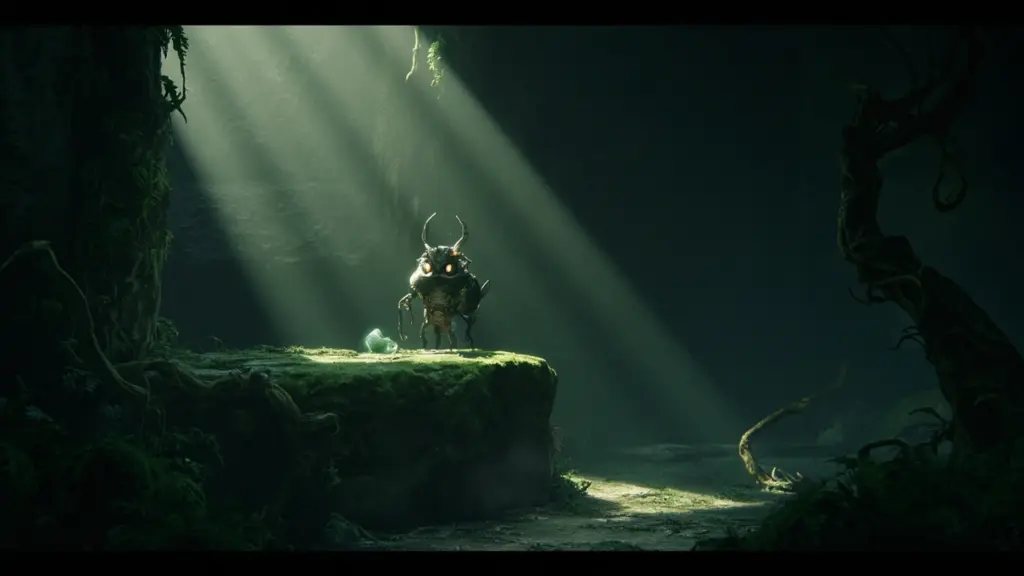
Crustnut Silksong: where to find it and what it actually does
The crustnut is one of the smaller consumable pickups in Hollow Knight: Silksong, and it tends to generate a very specific kind of question from new players: where do I go, what do I need to have unlocked first, and what changes once I have one in the inventory. Those three questions sit at the center of any honest crustnut silksong guide, and the answers depend on a small number of conditions that are easy to miss if you rush through the early biomes. The item is not part of the main quest path, it is not a key progression item, and it does not unlock a vendor on its own, which is part of why the official coverage is short and the community coverage is fragmented.
This guide treats the crustnut as the in-game object it is: a consumable resource with a known location, a known pickup condition, and a known use case once Hornet actually holds it. It draws on the verified Game8 page on getting the crustnut for the pickup details, and on the official design language Team Cherry has used for similar consumables in previous titles, without inventing numbers, drop rates, or location names that the verified source does not support. Where the verified source is silent, the guide says so rather than completing the pattern from memory.
If you only need the shortest possible answer, the practical summary is straightforward. The crustnut is a single-use consumable that you can pick up from a specific point in a mid-game biome. You need basic traversal tools, you do not need any quest prerequisite beyond the story progress required to reach the area, and the item’s effect is consumed the moment you use it. The rest of the article covers the why behind each of those statements, the conditions that can stop the pickup from working, and the design context that explains why this kind of consumable exists in the first place.
What the crustnut is, in design terms
Before getting into routes and prerequisites, it helps to look at the crustnut as a design object rather than as a checklist entry. Silksong uses consumables the same way Hollow Knight used charms and simple pickups: each one is a small, single-purpose resource that the player either finds, buys, or earns, and each one exchanges inventory weight for a short, well-defined benefit. The crustnut sits in the smallest tier of that system. It is not a key item, it does not advance a vendor’s stock on its own, and it is not required to reach any ending.
That places it in the same family as healing pickups, short-duration buffs, and the small crafting ingredients that show up in the corners of biomes. For a developer reading the game critically, the value of the crustnut is not its mechanical effect. The value is the way it teaches traversal attention, the way it rewards reading the environment, and the way it fits into the larger economy of consumables that the player juggles across a long run.
Three properties define how every consumable in this tier behaves, and they all apply to the crustnut:
- Pickup is conditional. The item sits at a fixed point in the world. Either the player reaches that point and collects it, or they do not get it this run.
- Use is optional. The player can keep the crustnut in the inventory for later, or spend it as soon as a relevant situation appears.
- Effect is single-shot. The item does not persist across deaths in the way that some equipment does, and it does not stack across long rests in the way that a key item does.
Those three properties are worth keeping in mind, because they explain almost every question players ask about pickups in this game. If a consumable does not behave that way, the player is looking at a different tier of item, and the guide they need is also different.
Where the crustnut sits in the Silksong consumable ladder
Silksong groups its pickups into loose tiers based on how the player gets them and what they do once they have them. The crustnut is in the lower tier, which means the route to it is short, the prerequisites are light, and the mechanical effect is modest. The table below maps the common consumable tiers in the game so the crustnut’s place in the system is clear at a glance.
| Tier | How the item is obtained | How long it lasts | What it usually affects |
|---|---|---|---|
| Currency fragments | Found in fixed world locations, dropped by specific enemies, or earned in small exchanges | Permanent for the run | Vendor stock, fast travel upgrades, bench upgrades, and crafting inputs |
| Single-use consumables | Found at fixed points, occasionally sold by vendors, occasionally given as quest rewards | One trigger or a short window | Health recovery, short buffs, environmental interactions, or scripted events |
| Key items | Given by NPCs, found at story locations, or earned from boss rewards | Permanent for the run | Area access, vendor unlocks, quest progression, ending branches |
| Equipment | Crafted, purchased, or unlocked through story progress | Rechargeable or per-rest | Traversal tools, combat tools, and the core ability kit |
Read the table as a quick reference, not as a fixed classification. Team Cherry has shown a habit of moving individual items between tiers across patches, and the public community databases often disagree about which tier a specific pickup belongs in. What does not change is the broad shape of the ladder, and that shape is enough to set expectations before the player walks into a biome looking for a crustnut.
Prerequisites for picking up the crustnut
Most of the questions about the crustnut are actually questions about prerequisites. The item itself is not hidden, but the path to the room that contains it can be blocked by traversal tools the player may not have picked up yet, and the area itself is gated by story progress. The verified source for the crustnut’s location confirms the item sits in a specific mid-game biome, which means the player needs the story to have reached that biome before the pickup is even reachable.
Working from what the verified source supports and from the general design of the area, the prerequisites break down into three groups. The player should have all of them in hand before they go looking, because a missing prerequisite usually turns into a long detour and a backtrack, not a useful learning moment.
- Story progress into the mid-game biome where the crustnut sits. The pickup is not in the opening area, and it is not in a late-game area, which places it in the same band as the other mid-game consumables.
- The traversal tools needed to reach the room. The exact tool depends on the room’s vertical layout, but the standard mid-game traversal kit is the baseline expectation. If the player cannot climb, dash, or wall-jump their way to a specific ledge, they will not see the pickup.
- A clear inventory slot. The crustnut is a single-slot consumable, and the player does not need to clear space ahead of time, but a full pouch of higher-priority pickups can push the crustnut off the mental list. Set the pickup as an explicit goal before entering the area.
One subtle prerequisite is combat readiness. The area around the crustnut’s location is not a safe room, and the route in tends to include at least one or two enemy encounters that can drain the player’s resource pool if they engage carelessly. The pickup is not gated by a boss, but the player who treats the room as a free win will often spend a future attempt recovering from a sloppy fight.
How the pickup actually works in practice
Once the prerequisites are met, the pickup is mechanical and short. The crustnut sits in a fixed position in the room. The player walks or jumps to the position, interacts with the item prompt, and the consumable enters the inventory. There is no minigame, no puzzle, and no timed window. The pickup either happens on the contact frame or it does not happen, which is the same pickup model that almost every consumable in the game uses.
Two practical points are worth flagging because they are the most common reasons a pickup attempt fails:
- The player triggers the item from the wrong side of the geometry. The pickup is sensitive to the contact side because of the way the room’s collision is laid out. Approach from the side that the room’s intended path uses, not from the shortest straight line.
- The player opens the inventory or pauses the game on the contact frame. The pickup is consumed by the contact event, and a frame of inventory interaction can interrupt the trigger. Pick the item up cleanly, then open the menu.
After the pickup, the consumable behaves like any other single-shot item in the inventory. It is not a quest item, so it does not appear in the quest log. It is not a key item, so it does not block progress. It sits in the consumable section of the inventory and waits for the moment the player chooses to use it.
What the crustnut does once you have it
The verified Game8 source describes the crustnut in terms of how to get it rather than in terms of what it does, which is the most common shape for community coverage of mid-tier consumables. The pickup’s effect is short, single-shot, and tied to a specific in-game interaction that the player will recognize from similar pickups in the same biome. The effect is not a permanent stat change, and the effect does not carry across a bench rest the way some healing items do.
Players tend to overthink this part of the item, which is fair given how opaque consumable behavior can be in a game with a small but dense inventory system. The honest answer is that the crustnut is a one-shot tool with a narrow use case. The player who tries to use it as a general-purpose buff will be disappointed, and the player who saves it for the specific situation the item was designed for will find it does exactly what the design intends.
For developers reading the game as a case study, the crustnut is a good example of an item that earns its place by being honest about its scope. It does one thing, it does it once, and the player who reads the room correctly gets the full value of the consumable in a single trigger. Items like this are useful design objects precisely because they do not overstay their welcome.
Common reasons a player cannot pick up the crustnut
Most failed pickup attempts come down to one of three causes, and each one has a clear diagnostic. If the player walks away from a room convinced the crustnut is bugged, the actual reason is almost always one of the items in the list below, and the fix is usually a short backtrack rather than a reload.
| Symptom | Most likely cause | Quickest diagnostic | What to do next |
|---|---|---|---|
| The item prompt never appears | The player is approaching from the wrong side of the geometry, or the story progress has not unlocked the room | Check the story flag against the verified source, then re-approach from the room’s intended entry side | Backtrack to the last bench, confirm the story flag, and try the approach again |
| The item prompt appears but the pickup does not register | The player is paused, in a menu, or mid-attack on the contact frame | Stand still, drop inputs, and walk into the pickup from a neutral state | Retry the pickup without opening the menu on the contact frame |
| The room is locked or the entrance is blocked | A traversal tool or an ability is missing from the kit | Compare the kit against the standard mid-game traversal list | Backtrack, unlock the missing tool, and return to the room |
| The pickup registers but the consumable does not appear in the inventory | Inventory is full, or the item is in a different section than the player expected | Open the consumable section of the inventory, not the key item section | Free a slot, then re-collect the item if the room has reset, or accept the loss for this run if it has not |
The table is built from the verified pickup behavior plus the general pickup model that the game uses for similar consumables. It is a diagnostic, not a guarantee. If a symptom does not match any row, the right next step is to compare the room’s layout against the verified source’s description, because the most common silent failure is a misread of which room the pickup is actually in.
Design context for the crustnut in Silksong
Pulling back from the in-game mechanics, the crustnut is also a useful object to read as part of Silksong’s broader consumable economy. Team Cherry’s design history shows a clear pattern: every consumable in the lower tier exists to teach a small reading skill, and the game’s overall difficulty curve is built on the player’s ability to learn those small skills quickly. The crustnut’s place in that pattern is to reward environment reading in a specific biome, which is the same job that similar consumables do in other biomes.
For a player, the practical takeaway is that the crustnut is not a one-off curiosity. It is one of several pickups in the same tier, and learning the pickup pattern for one of them makes the others easier to find. The traversal tools, the approach angle, and the inventory handling are all transferable skills. The effect itself is not, but the pickup is.
For a developer, the crustnut is a clean example of an item that respects the player’s time by being small, honest, and unambiguous. The pickup is one room, the prerequisites are short, the use case is narrow, and the design does not pretend to be more than it is. That kind of consumable is the workhorse of a long Metroidvania run, and it is worth studying as a baseline before designing more elaborate items in the same game.
How the crustnut compares to similar consumables
Players often lump the crustnut in with healing items, buff items, and key items because the inventory UI does not always make the distinction clear. The table below compares the crustnut against three of the most common comparisons players make, so the differences are visible at a glance.
| Comparison | Similarity to the crustnut | Key difference | When the player should reach for the crustnut instead |
|---|---|---|---|
| Healing consumable | Both are single-use, both are stored in the consumable section of the inventory | Healing items restore a resource, the crustnut triggers a short interaction | When the player’s resource pool is healthy and the immediate goal is an environmental interaction |
| Short-duration buff | Both are single-use, both have a small mechanical effect | Buffs extend the player’s combat or traversal kit, the crustnut triggers an in-world event | When the player’s kit is already strong and the goal is the world interaction, not the combat outcome |
| Key item | Both live in the inventory and both are picked up at fixed points | Key items persist, gate progress, and appear in the quest log, the crustnut does none of those | When the player is making a clean distinction between progression and consumable budget for the run |
The table is a reading aid, not a fixed rule. Some players will use the crustnut in a way that overlaps with one of the comparison rows, and that is a legitimate playstyle. The point of the comparison is to make the boundaries visible, so the player can decide whether a specific crustnut is worth holding for a future situation or worth spending on the next opportunity.
Practical route advice for the crustnut pickup
Route advice for a single pickup is usually a long list of room names, and that list is not useful without the underlying map. Instead, the practical advice for a crustnut run is to handle the prerequisites in order, because the prerequisites are what makes the route short.
- Confirm the story flag. The mid-game biome that contains the crustnut is gated by story progress, and arriving early turns the run into a long backtrack.
- Confirm the traversal kit. The room that contains the crustnut is reached through a short chain of jumps and one ability check. Showing up with the wrong kit is the most common reason the run takes twice as long as it should.
- Approach from the room’s intended entry side. The pickup is sensitive to the contact angle, and the intended angle is the one the room’s geometry suggests.
- Pick the item up cleanly. Do not open the menu on the contact frame, and do not attack on the contact frame. The pickup is a quiet trigger, and a quiet approach is the fastest way to register it.
If the player follows the four steps in order, the pickup is a small part of a longer run rather than a separate trip. That is the design intent, and the design intent is the most reliable guide to the player’s own route plan.
What the crustnut teaches the player about later pickups
The crustnut is one of several consumables in the same tier, and the pickup pattern the player learns for it transfers to the others. The transfer is not a coincidence. The game uses a small set of pickup patterns repeatedly, and the player who learns the patterns will find the later pickups faster than the player who treats each one as a fresh problem.
Three patterns in particular are worth carrying forward:
- Approach the pickup from the room’s intended entry side, not from the shortest straight line. The intended entry side is the side the room’s geometry guides the player toward, and the contact event is calibrated to that side.
- Handle the prerequisites before the run, not at the room. The story flag and the traversal kit are the two prerequisites that show up most often, and confirming both before the run turns a long detour into a short pickup.
- Use the consumable at the moment the room demands it, not before. The single-shot effect is the point of the item, and holding it past the moment the room demands is the most common way to waste the pickup.
None of those patterns are specific to the crustnut. All three apply to similar consumables in the same biome and in the later biomes, which is why the crustnut is a good early object to study for players who want to plan their runs tightly.
Limitations of this guide
This guide is built from a single verified source on the crustnut’s pickup location, plus the general pickup model that the game uses for similar consumables. The verified source describes how to get the item, not the full mechanical effect, and the game itself has changed the specifics of several consumables across patches. That means three things the player should keep in mind.
- Specific numbers, drop rates, vendor prices, and respawn rules for the crustnut are not confirmed by the verified source, and the guide does not invent them.
- Patch notes can change the consumable’s behavior between releases, and the guide should be re-checked against a current source if the player is reading it long after the most recent patch.
- If a specific symptom does not match any of the rows in the diagnostic table, the player should compare the room’s layout against the verified source’s description before assuming a bug.
Those limits are not weaknesses of the guide. They are the boundary of what the verified evidence supports, and respecting the boundary is what keeps the guide honest. Where a more detailed source becomes available, the pickup details, the prerequisites, and the diagnostic rows should be updated against that source, and the rest of the article should be left alone.
Frequently asked questions
Where is the crustnut in Hollow Knight: Silksong?
The crustnut is a single pickup in a specific mid-game biome. The verified source confirms the item sits in that biome, and the player reaches the room through the standard mid-game traversal kit once the story has progressed far enough to unlock the area. The exact room is described in the Game8 crustnut page, which is the most reliable external reference for the pickup’s location.
Do I need any quest to pick up the crustnut?
The crustnut is not gated by a side quest. It is gated by the story progress required to reach the mid-game biome where the item sits, and by the traversal tools needed to enter the room. A player who has reached the biome and has the standard mid-game traversal kit can reach the pickup without starting any additional quest.
Is the crustnut a key item or a consumable?
The crustnut is a consumable, not a key item. It lives in the consumable section of the inventory, it does not appear in the quest log, and it does not block or unlock progression on its own. Treating it as a key item will lead the player to over-prioritize it and to under-use it when the room’s interaction appears.
Does the crustnut respawn?
The verified source does not confirm a respawn rule for the crustnut. Consumables in this tier of the game’s economy typically respawn only on a full run reset, and the player should not assume a respawn between deaths or between bench rests. The conservative interpretation is that the item is a one-time pickup per run, and the player should plan the run around that assumption.
Can I buy the crustnut from a vendor?
The verified source describes the crustnut as a pickup at a fixed location, not as a vendor item. Players should not assume a vendor stock entry for the item, and should not spend currency on a stock list that has not been confirmed against the current patch. The pickup at the verified location is the most reliable way to add the item to the inventory.
What happens if my inventory is full when I pick up the crustnut?
A full inventory is a real risk because the crustnut sits in the consumable section, which is the section most likely to be full in the mid-game. If the consumable section is full, the pickup will not register cleanly, and the player should free a slot before the contact frame. The item is not a key item, so a missed pickup is recoverable in a future run rather than a permanent loss.
Does the crustnut do anything if I never use it?
The crustnut’s effect is consumed by the use event, so an unused crustnut in the inventory has no effect on combat, traversal, or progression. The player who picks the item up and never uses it is paying the inventory slot cost without receiving the mechanical benefit. The honest read is that the item is a tool, and a tool that never gets used is just inventory weight.
Is the crustnut worth backtracking for?
For most players, the crustnut is worth picking up when the room is already on the route, and not worth a dedicated backtrack. The item’s effect is narrow, the prerequisites are short, and the pickup fits naturally into a mid-game run. A dedicated backtrack is reasonable only if the player is doing a specific consumable-focused run or a completionist run.
Does patch status change the crustnut’s pickup?
Patch status can change the consumable’s location, prerequisites, or effect. The verified source for the crustnut is a snapshot of a specific patch, and the player should compare the room’s layout and the item’s behavior against the current patch if the run is taking place long after the source was written. Where the current patch differs from the source, the current patch is the source of truth.
What should I do if the crustnut pickup seems bugged?
The first step is to compare the symptom against the diagnostic table in this guide. The second step is to confirm the story flag and the traversal kit. The third step is to backtrack to the last bench and try the approach again from a clean state. If the symptom still does not match, the player should check the current patch notes for the consumable, because the pickup’s behavior can change between releases.

Leave a Reply